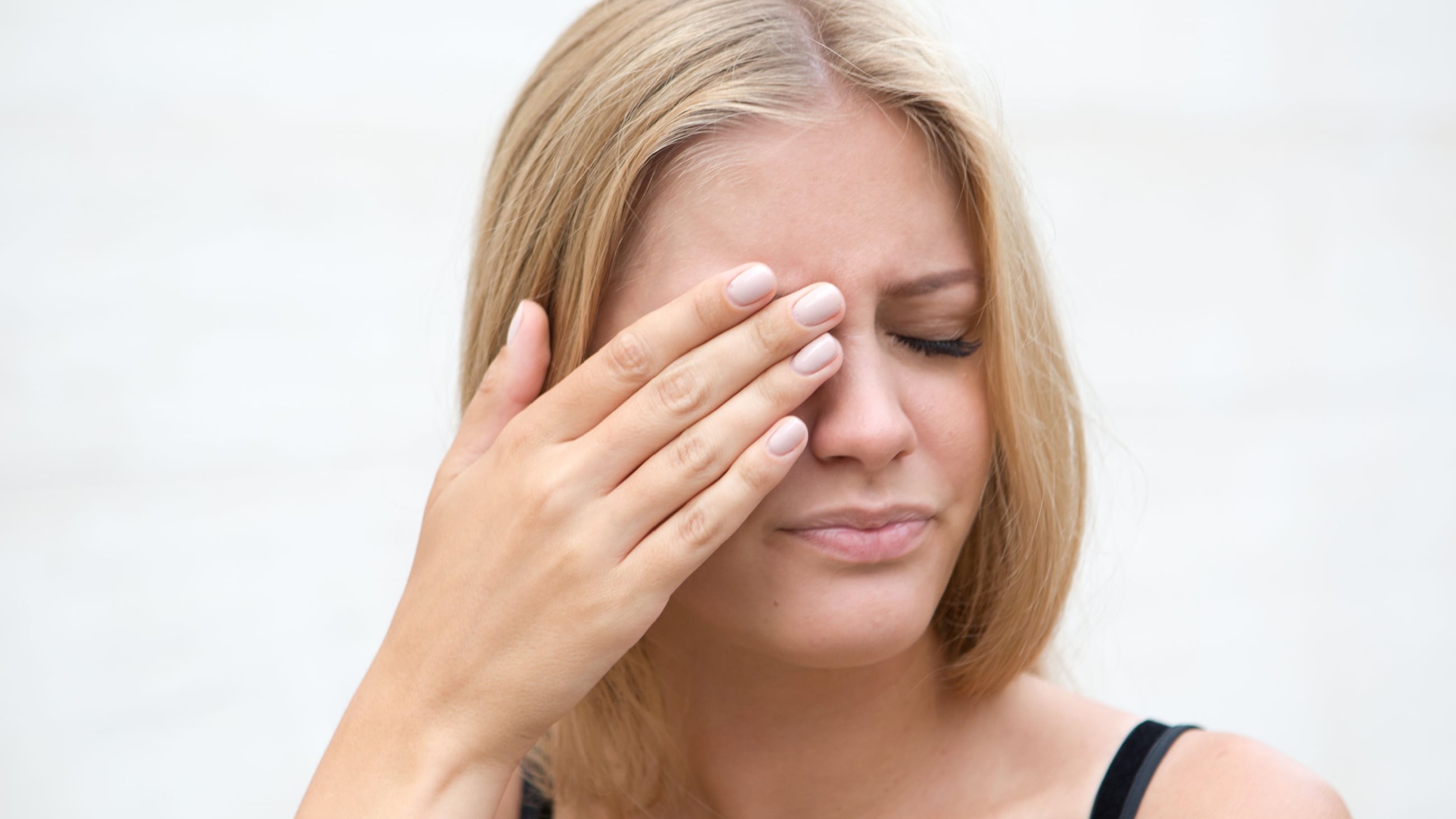
Adhesive compounds, like nail glue, superglue, eyelash glue and everything in between, can pose a threat to your eyes — whether that threat is a simple irritation or something more severe.
Vapors and harsh scents given off by these products can cause the eyes to water and feel irritated, while getting glue in the eye itself can be dangerous for your vision.
Although many glue-in-eye scenarios only temporarily impact vision, some situations will require that you seek medical attention to ensure you receive the proper care.
Risks associated with glue in eyes
Why is it important to seek medical help if you get glue in your eyes? There are several negative outcomes that can occur after getting glue in your eyes, including the following:
- Eye irritation
- Inflammation of the conjunctiva
- Corneal abrasion
- Eyelashes or eyelids sticking together
- Infection following an allergic reaction, bacterial or chemical exposure
How do I remove glue from my eye?
Getting adhesive products in your eye can be a frightening and frustrating experience, but it is important to remain as calm as possible and refrain from taking extreme measures to remove the glue.
Eyes should be rinsed immediately after coming into contact with adhesives, regardless of how mild or strong the formula. There are several methods for properly rinsing the eyes, each of which can be done for at least five minutes (the stronger the glue, the longer you’ll need to rinse — up to 15 minutes) and with lukewarm water.
Getting glue in your eye can be alarming, but staying calm is important. Gently rinsing the eye with clean, lukewarm water may help flush out the product. The goal is to let water flow across the eye from the inner corner outward. Avoid rubbing the eye, as this can cause further irritation.
If the glue doesn't rinse away easily, or if you experience pain, vision changes, or continued irritation, contact your eye doctor or seek emergency care right away. It's proper to seek medical attention immediately rather than trying to remove the product yourself.
What happens if you get superglue in your eyes?
Super glue in the eye requires prompt medical attention. While waiting for care or on your way to the doctor, gently rinsing the eye with lukewarm water may help, but avoid using soap, acetone, or other solvents, as these can cause additional irritation.
If the eyelids or skin become stuck together, don't try to force them apart, as this can damage the delicate tissue around the eye. Your eye care provider or emergency room facility will have the appropriate tools and solutions to safely address the situation.
It's also worth noting that some super glue containers look similar to eye ointment tubes — always read labels carefully before applying anything near your eyes.
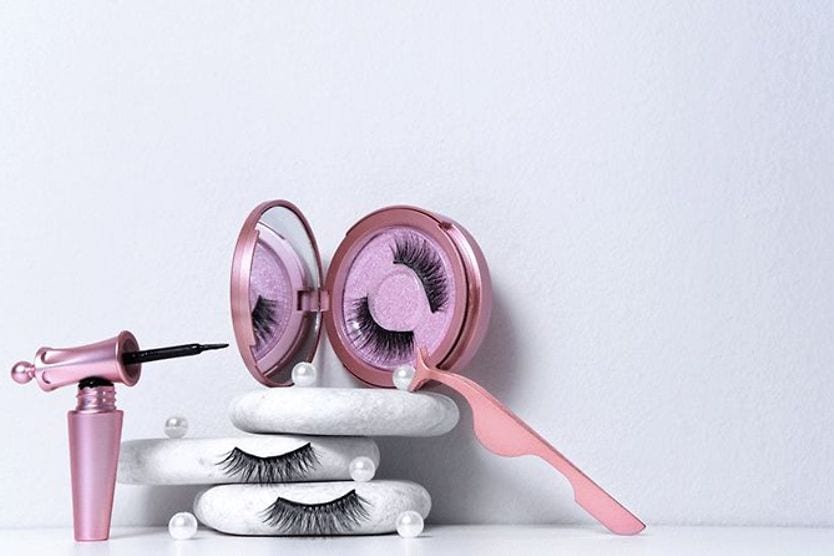
Cosmetic glue and eyelash adhesives
Adhesives used in cosmetic glues such as eyelash and nail glue can also cause irritation if they come into direct contact with the eyes. It is vital to use products safely and cautiously during application.
Nail glue in your eye
Like superglue, nail glue for faux fingernails can have similar packaging to eye ointment and drops. If you keep both in the same cabinet or drawer, you can risk mistaking one for the other.
Nail glue is intended to reattach damaged artificial nails and is designed to cement skin together immediately, making it dangerous if it gets into the eyes. If you get nail glue in your eyes, flush them immediately with lukewarm water for five to 15 minutes (as suggested previously) and seek medical help if necessary.
Always wash your hands after handling nail glue and avoid contact with your eyes during use.
Recommended practices for eye safety
Taking safety precautions before using or working with adhesives can prevent emergencies related to the eyes.
Eye safety tips while working with glue
- Wear proper eye protection while working with crafts or other projects that require the use of strong adhesives.
- Wash your hands thoroughly after handling products that can irritate the eyes, including glue.
- Don’t touch your eyes while using any kind of glue (other than eyelash adhesive), especially superglue.
- Supervise children during activities that involve products that can harm their eyes. Teach children about eye safety before they take part in such activities.
- Store crafting and project glue in an area separate from medical products to prevent any mix-ups during use.
Eye makeup and lash adhesive safety tips
- Wash your hands before and after applying eye makeup, especially following glue used for cosmetics.
- Safely remove all eye makeup, including false eyelash glue completely after use and before going to sleep.
- Clean fake eyelashes before reapplying them in future use.
- Store cosmetics you use around your eyes in a cool and dry place to preserve their quality.
- Keep your eyes closed whenever you apply makeup and false lashes.
- Only use makeup and other cosmetic products that are safe for use around the eyes.
- Always read the ingredients on your eyelash adhesive before application. If you are sensitive or allergic to an ingredient, avoid the product.
- If you have eyelash extensions, have them removed or replaced regularly to prevent buildup and other complications.
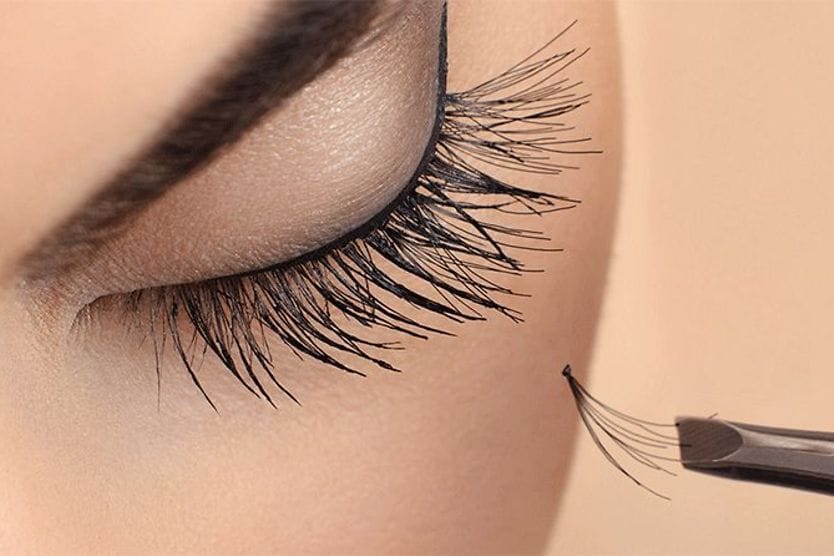
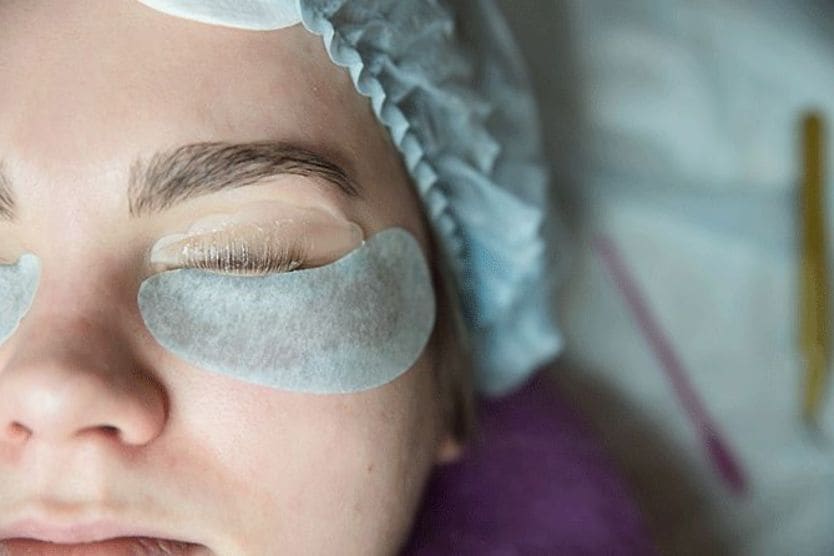
- Eyelash extensions should be applied by a certified technician, and safety guidelines should be followed before, during and after they are applied.
- Avoid wearing makeup if you are recovering from an eye injury, including getting glue in your eye(s).
Treatment and outlook
Getting glue in your eyes is an unfavorable experience, no matter what type of glue is involved. Fortunately, there are effective treatments to help you. These can include:
- Rinsing/irrigating eyes to encourage glue removal
- Trimming the eyelashes to separate lids or remove glue residue
- Professional removal of the glue by an eye doctor
- Topical antibiotics
- Artificial tears to soothe irritated eyes
- Covering the eye with a gauze patch while it heals
Additional treatment may be needed for cases that involve corneal abrasion, infection or other conditions.
In addition to all outlined safety tips, it’s important to see an eye doctor once a year for a routine comprehensive eye exam. Doing so allows your doctor to monitor the health of your eyes and vision.